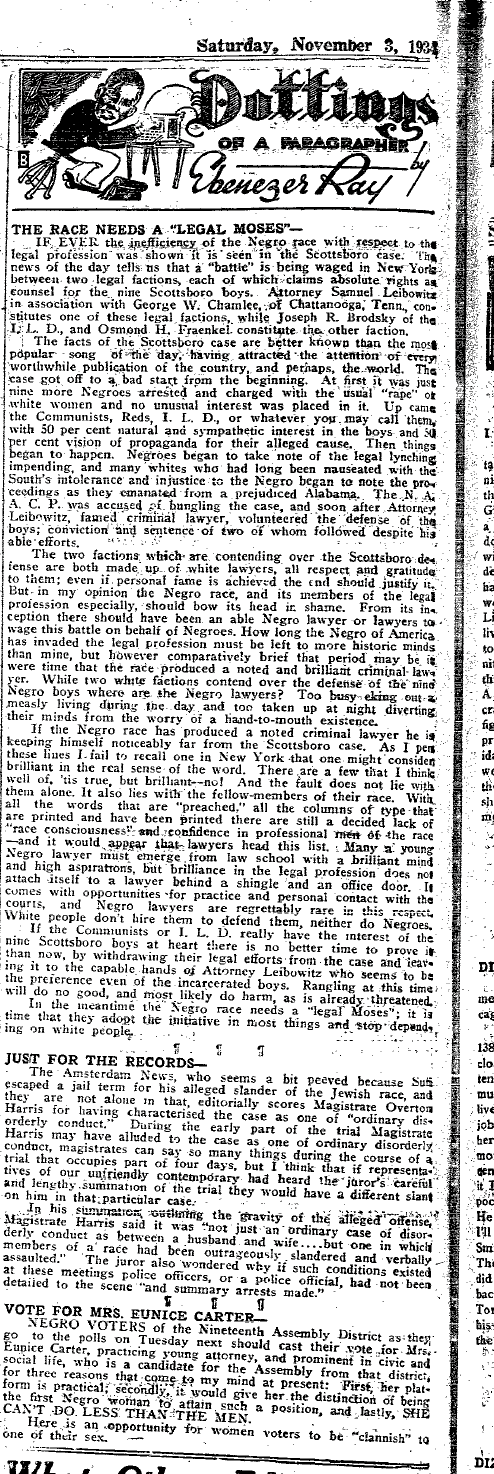
Looking for something fresh to write about on Election Day, I searched my father’s columns for wisdom from the past. A footnote in a column published in the New York Age on November 3, 1934, implored readers to elect “Mrs. Eunice Carter” to the New York State Assembly. The name had a familiar ring.
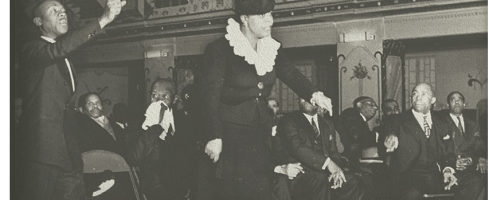
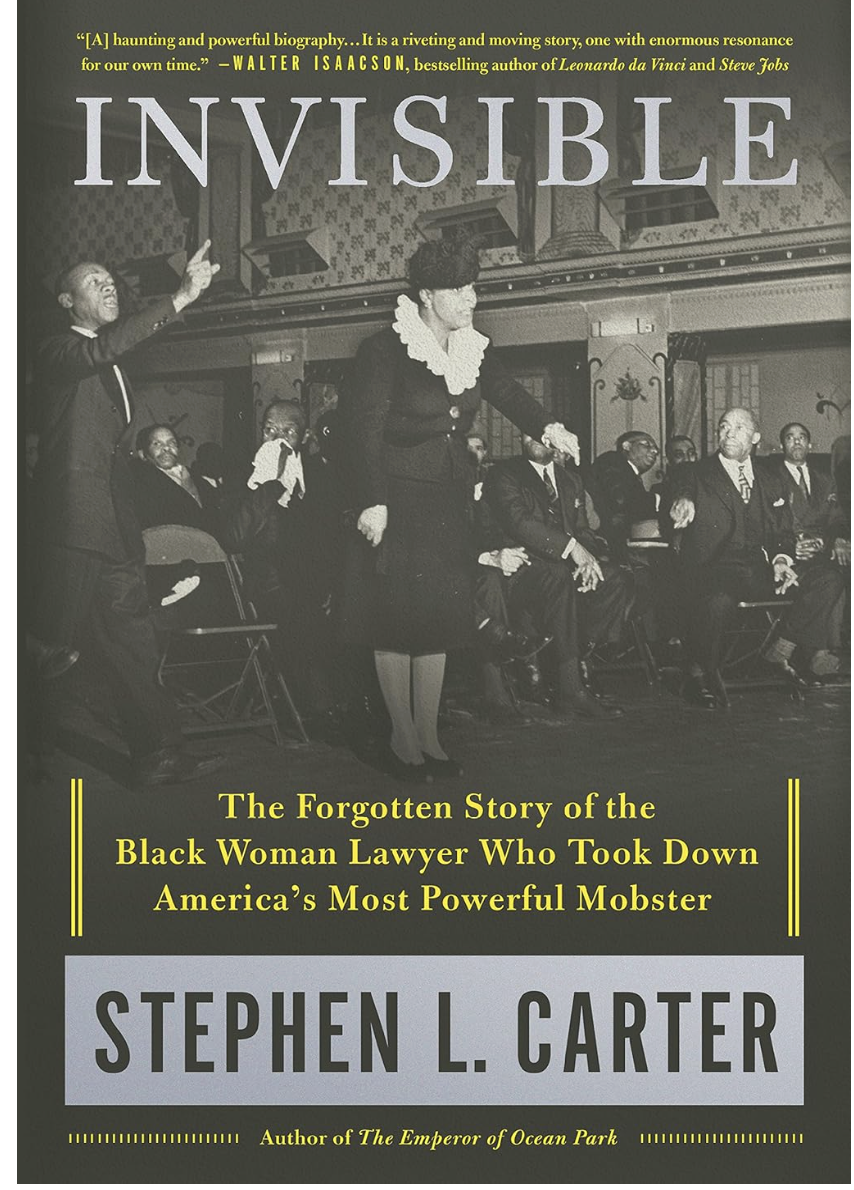
Five years ago, my cousin, Evelyn, sent me a text message with a copy of a paragraph from a book that quoted Ebenezer. The book, Invisible, by author and Yale legal scholar, Stephen L. Carter, is the biography of Stephen’s grandmother, Eunice Hunton Carter. The book’s subtitle is: “The Forgotten Story of the Black Woman Lawyer Who Took Down America’s Most Powerful Mobster.”
But before Eunice Carter became a prosecutor, developing the strategy that would bring down Mafia boss Lucky Luciano, she was picked by the Republican Party as their candidate for the Nineteenth District of the New York State Assembly. According to Stephen Carter, the GOP “needed a warm body” to run for the seat occupied by James Stephens, a Democrat and the only “colored” member of the Assembly at the time.
My father and his newspaper, The New York Age, were all in for Mrs. Carter.
“The Age, the more traditionalist of New York’s major Negro papers, labeled Eunice ‘exceptionally well qualified.’ The paper predicted ‘with certainty’ that she would win,” Stephen Carter wrote. “Age columnist Ebenezer Ray offered three reasons: ‘First, her platform is practical; secondly, it would give her the distinction of being the first Negro woman to attain such a position, and lastly, SHE CAN’T DO LESS THAN THE MEN.’ The column added: ‘Here is an opportunity for women voters to be clannish to one of their own sex.’”
Despite support from the Black press in New York and beyond and predictions that she was the “odds-on favorite,” Eunice Carter lost the election. The Baltimore Afro-American, which also had endorsed her, expressed surprise.
“The paper told readers that even as Eunice gave a conciliatory concession speech, she ‘looked as if her faith in humanity had been shaken,’” Stephen Carter wrote. “What went wrong?”
The author listed several possible reasons his grandmother lost, despite a “spirited campaign.” Her incumbent had likely benefitted from the patronage of Tammany Hall, the New York City Democratic political machine that dominated the city’s politics for decades. “In addition, although the impact would not be obvious for another decade, the segment of the community Eunice was seen to represent — tradition-bound, clannish, respectably middle-class — was losing its stranglehold on the politics of the darker nation. And, of course, at this time a substantial portion of the Negro and white electorate alike remained skeptical or perhaps even hostile toward female candidates,” Stephen Carter wrote.
I’m happy to know that my father was forward-thinking enough to champion a woman’s candidacy. Still, there are echoes of today’s political climate.
My faith in humanity was shaken when Kamala Harris lost the 2024 presidential election.
Stories of Eunice crisscrossing Harlem, inspiring crowds at churches, political clubs and civic organizations; her direct appeals to specific constituencies such as Black beauticians, took me back to Harris’ whirlwind 107 days on the campaign trail.
In Invisible, Carter added that another factor in Eunice’s defeat was that Black folks were going through a “partisan transformation.” In 1929 “African America still trended Republican. By 1934, Harlem was voting Democratic— the party won every contest in the neighborhood that year—and the same partisan tide that defeated Eunice was sweeping the darker nation in election precincts around the country.”
The 2024 presidential election exposed some partisan realignments as well, including an increased portion of Black men who voted for Harris’ opponent. And while I would not call their slight right shift a tide, it is worrisome. I also worry that the “tradition bound,” Democratic establishment might court Republicans at the expense of its progressive left flank.
I wonder what Ebenezer and Eunice would think about Harris or New York Democratic Mayoral candidate Zohran Mamdani.
Tags: 2024-election, donald-trump, elections, eunice-hunton-carter, featured, harlem, History, Kamala Harris, lucky-luciano, news, Politics, stephen-l-carter, the new york age, the-baltimore-afro-american, zohran-mamdani



 My Father's Posts