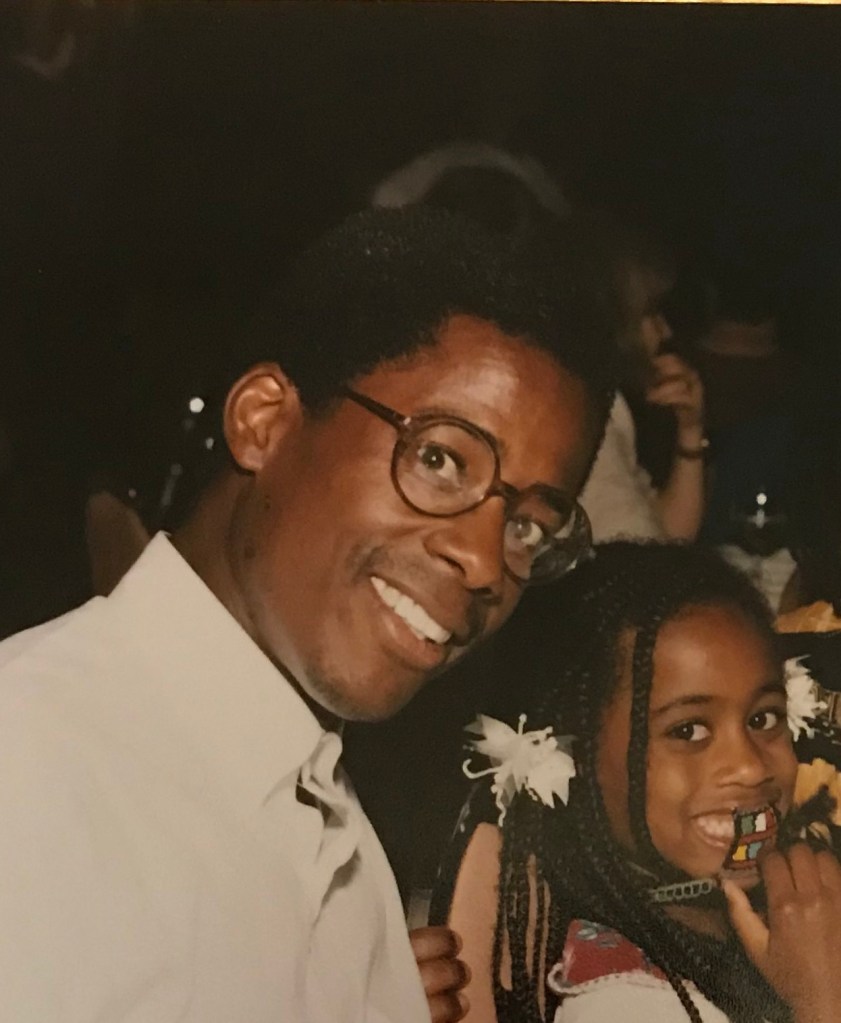
To be honest, I don’t know what kind of father Ebenezer was or could have been. Like many men of his generation, he saw himself as the breadwinner, the fiscal provider, and left the parenting to his spouse, my mother, Mary. He did so until the paychecks at the Pittsburgh Courier, his newspaper employer, started to bounce, and Parkinson’s disease rendered him unable to take a job elsewhere.
And while my father was at home all the time, he was not present, not emotionally. I don’t remember him doing much parenting.
After my father died when I was 13, Uncle James, my mother’s brother, stepped in. Even from several states away in New Jersey, I appreciated his presence as a father figure. And that has been the model for our family over the past 60 years.
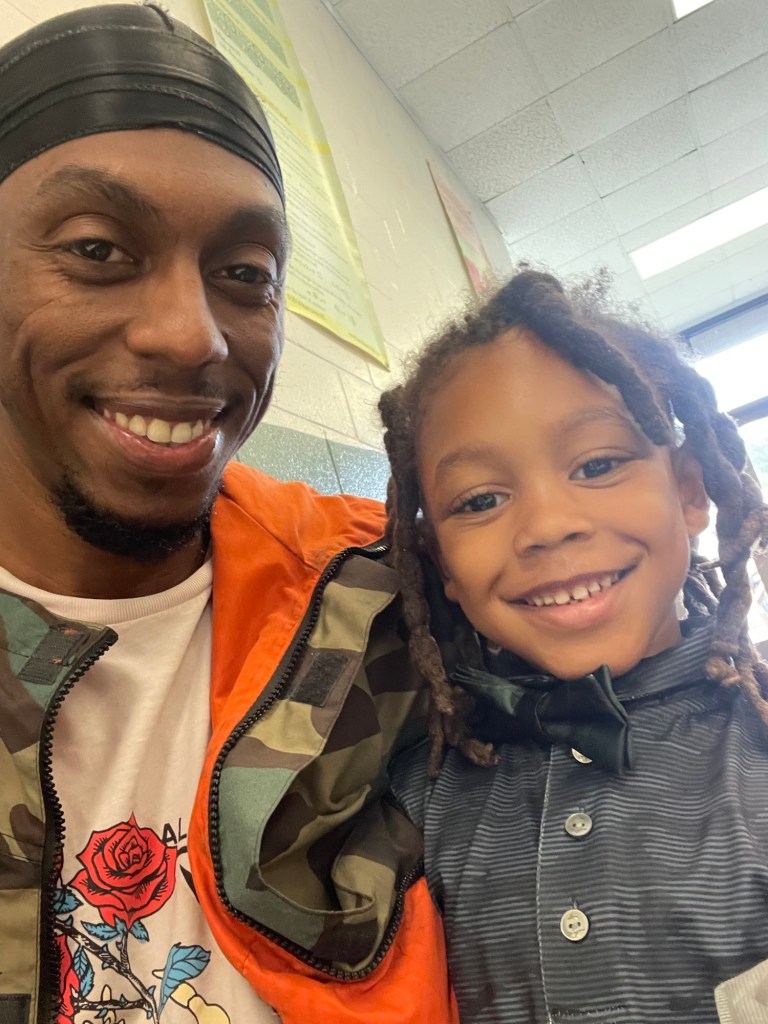
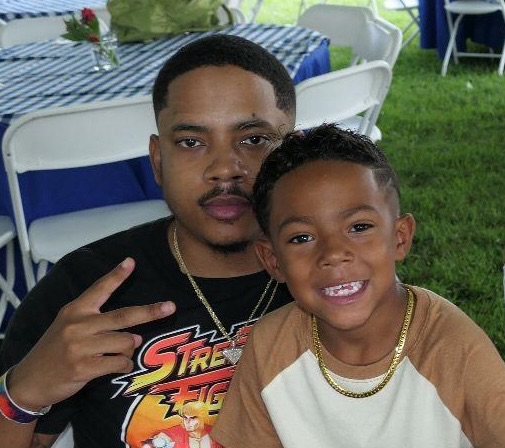
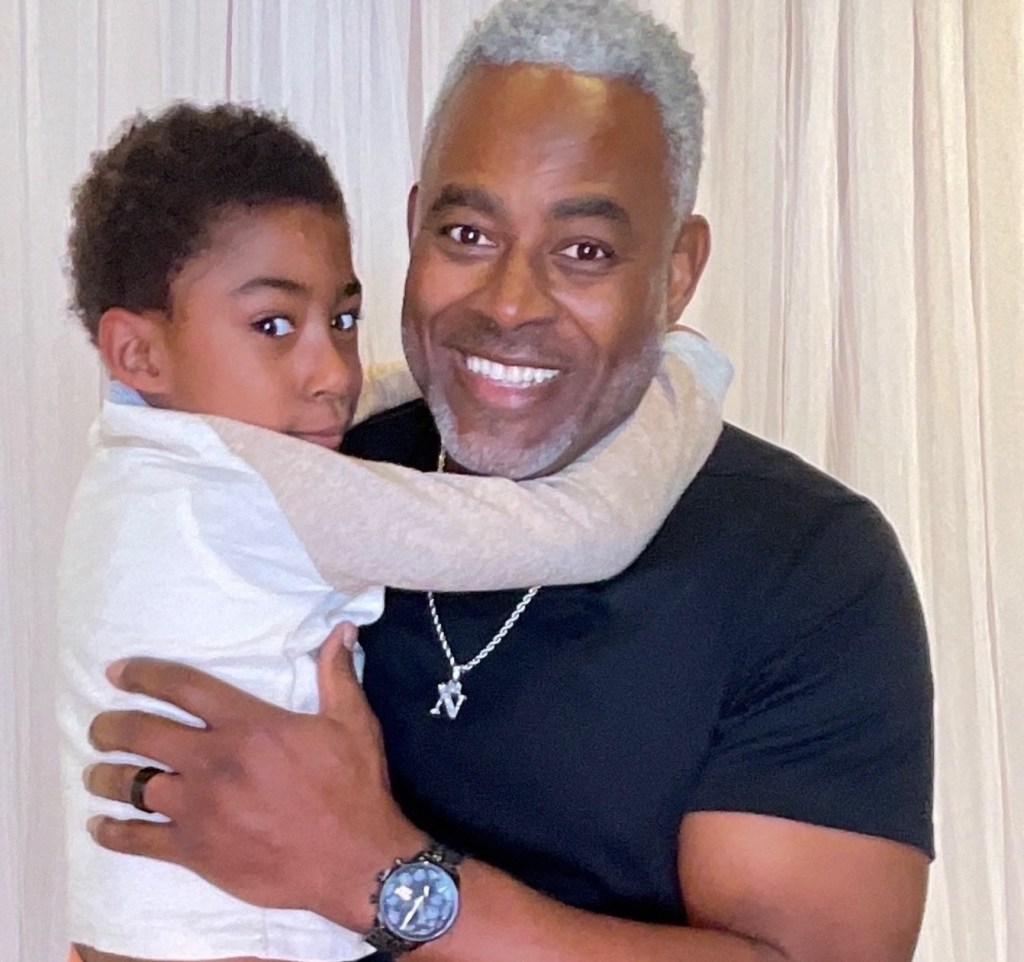
The men in our family have wholeheartedly embraced their roles as fathers, whether they were married to their children’s mothers or not. Uncles, older cousins, and Godfathers have stepped into roles as father figures when the situations called for it.
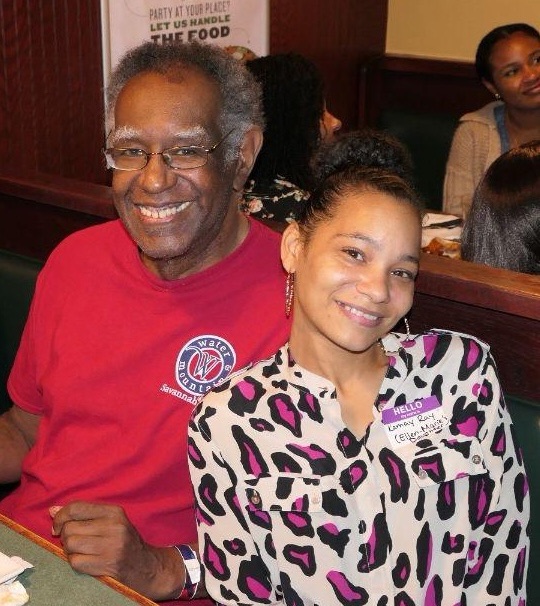
Kamaya, whose mother, my sister, Ellen-Marie, died when she also was 13 years old, said it best today in her Fathers’ Day message in our family chat.
“I can’t believe our family ended up with so many incredible fathers. Watching the growth, sacrifice, patience, and unconditional love you all give your children has been such a blessing to witness. The guidance, hard work, and examples you set every day don’t go unnoticed.
Today, I hope each of you feels appreciated for all the big and small things you do that help shape your families. We’re lucky to have such strong, loving fathers in this family.
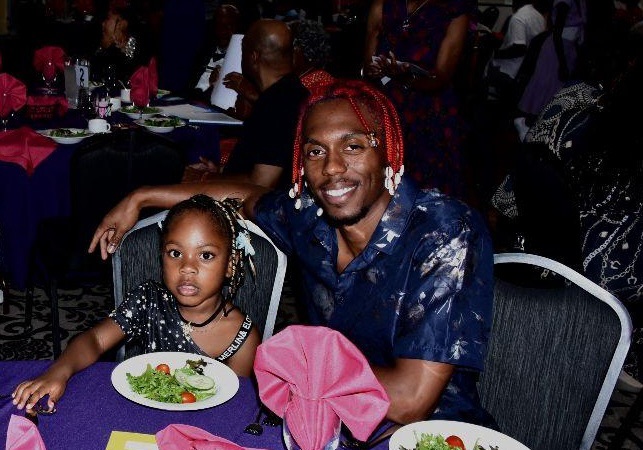
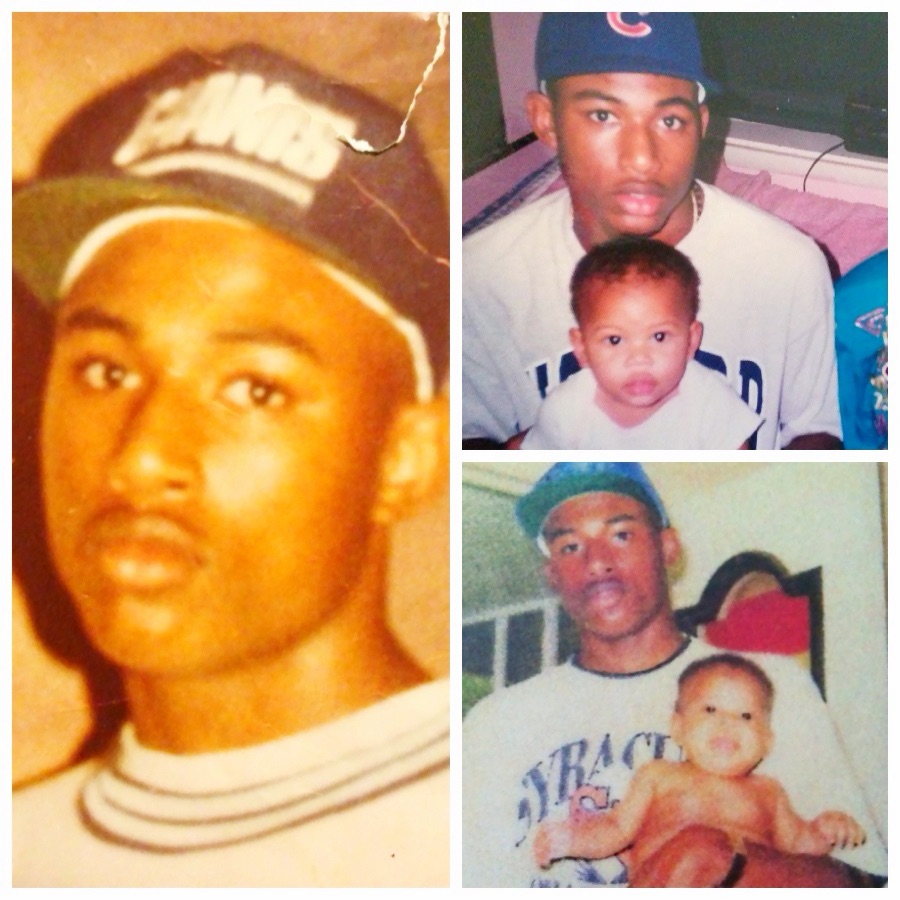
Kamaya wished a happy “Fathers’ Day in heaven” to her “Grampa Ray” and to Chano, my nephew, whose daughter, Nineeka, was just a toddler when he died.
“Your legacy lives on in the children, grandchildren, GREAT grandchildren, and family you helped shape. We carry pieces of you with us every day, and your love continues to echo through generations.”
“We miss you both dearly, but I smile knowing Mom is up there surrounded by some of the very best,” Kamaya added.
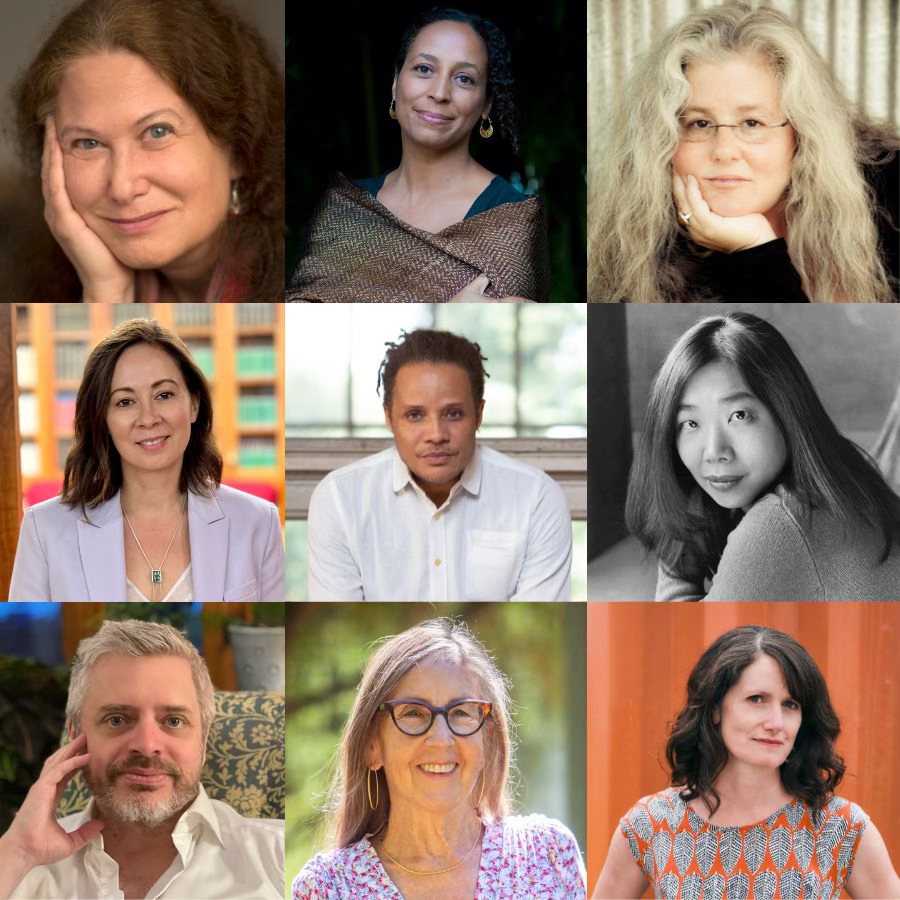
Faculty for this year’s Napa Valley Writers’ Conference. Top row from left: Jane Hirshfield, Danusha Laméris, Dana Levin; Middle row: Paisley Rekdal, Jamel Brinkley, Lan Samantha Chang. Bottom row: Paul Harding, Michelle Huneven, Mira Rosenthal. Read more about the faculty here.
Deadlines have been a fact in my life for almost a half century. In retirement, that reality has not changed. Whether it is submitting a grant application for the Pear Theatre; offering up my fiction for contests and residencies, or setting my own self-imposed deadlines so I don’t give in to my fears of rejection.
Here, I am sharing a few deadlines that are important in my life, but I personally don’t need to meet. If you’re a creative writer or know one, here’s information about a spectacular writers’ conference and a great local short story contest. If you’re a member of my extended family, here’s a plug for our next family reunion. And the deadlines are …
April 20:Napa Valley Writers’ Conference. Fiction writers, poets and literary translators are invited to apply to spend a week in the scenic Napa Valley, sharing their own writing in workshops, listening craft talks and readings and simply basking in the community of other creatives. I was a participant back in the day, and these days I’m the Fiction Director. This year’s conference is July 26-31.
May 15:The Palo Alto Weekly Short Story Contest. Writers from Palo Alto, East Palo Alto, Menlo Park, Atherton, Redwood City, Stanford, Portola Valley, Woodside, Mountain View, Los Altos, or Los Altos Hills, Calif. are invited to submit original work for consideration. Writers in the Adult, Young Adult, and Teen categories are eligible to enter. For the past few years, I have served as a judge of the Adult and Young Adult finalists.
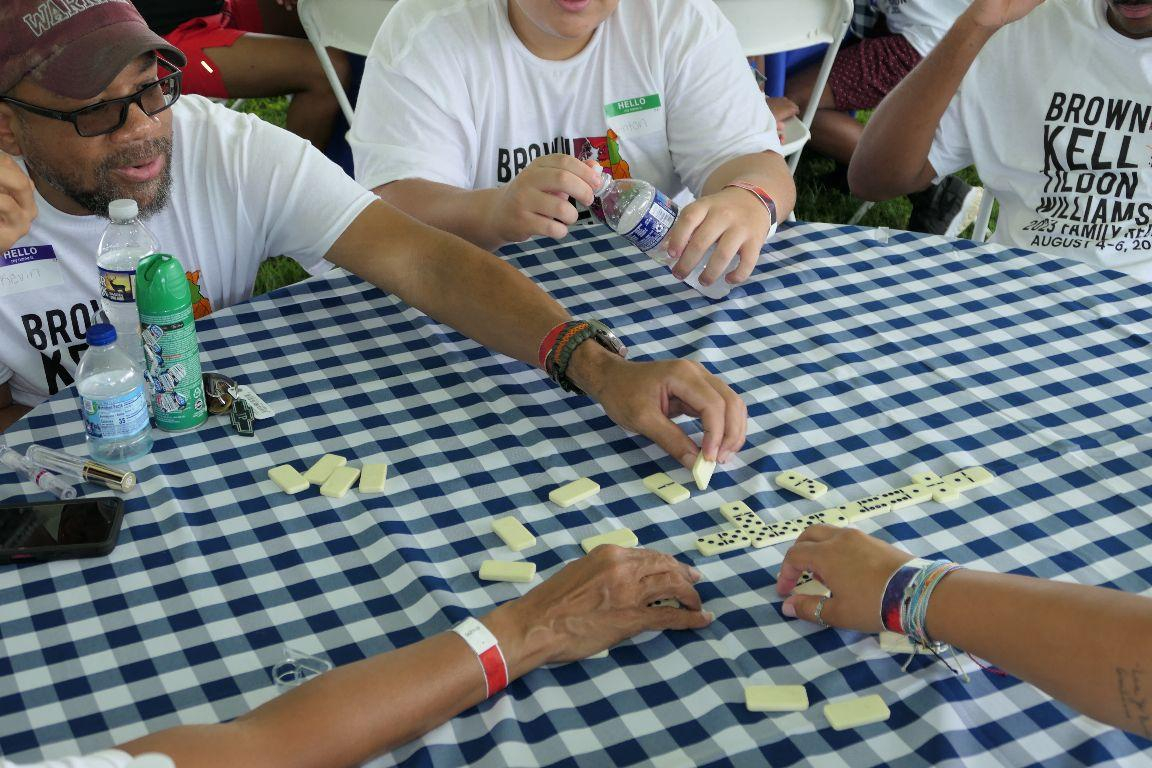
June 1: The 2026 Brown, Kell, Tildon, Williams Family Reunion. The reunion will take place the weekend of July 10-12. June 1 is the deadline to register and buy tickets. Calling all extended family members!
The 2023 Family Reunion was so much fun, we’ve decided to do it again.
A chapter of my novel has been shortlisted for The Masters Review’s Novel Excerpt Contest. This is a tremendous vote of confidence as I search for an agent and publisher.
If anyone was interested in surveilling my daily habits, they might surmise that I live in New York. I subscribe to the New York Times and The New Yorker. I get my day started with the “Brian Lehrer Show” on WNYC and usually drink my coffee out of a mug with the radio host’s name. And if there is time, I segue into “All Of It” with Alison Stewart before turning the tuner to my local NPR station, KQED.
Digital Collection Image ID 1939249 and Jonathan Blanc/New York Public Library
(Don’t get it twisted, I am a die-hard Golden State Warriors fan and have joined the Valkyries bandwagon, but it is hard not to root for the Knicks when they’re not playing the Dubs.)
I live in the San Francisco Bay Area and haven’t had an address in New York since 1987. But even before I moved there in the early 80s I felt the city’s pull. It was a place both of my parents loved. My mother, a native of Newark, New Jersey, shared fond memories of day trips into Manhattan. My father had spent his young adulthood and the bulk of his career as a journalist in Harlem. In my mind, New York has always been a place of wonder.
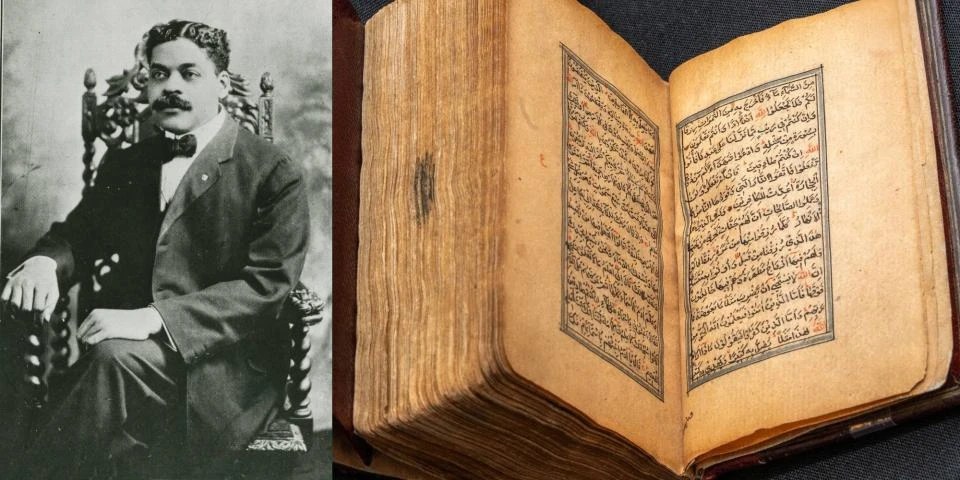
So, it would be no surprise to anyone that my first act on New Year’s Day was to tune in to the Inauguration festivities for New York Mayor Zohran Mamdani. In line with his Muslim faith, Mamdani swore to uphold the constitution by placing his hand on the Qur’an. Two of the holy books selected for the occasion belonged to his grandparents. The other was from the collection of Arturo Schomburg.
Schomburg was a Black historian born in Puerto Rico. According to Wikipedia, his mother was a freeborn Black woman from St. Croix; his father was of German descent. As a young student, Schomburg recalled an elementary school teacher declaring that Black people had no history. Schomburg, who identified as “Afroborinqueño” or Afro-Puerto Rican, devoted his life to dispelling that lie by documenting the history of the African diaspora.
Schomburg studied commercial printing at San Juan Puerto Rico’s Instituto Popular, and he studied Negro literature at St. Thomas College on the island of St. Thomas. (St. Thomas and St. Croix, where his mother was born, were occupied by the Danish until they were sold, along with St. John, to the United States in 1917.)
At the age of 17, he settled in New York, where his day jobs included teaching Spanish, working as a messenger and clerk for a law firm and eventually supervising the Caribbean and Latin Mail Sections of Bankers Trust. In the meantime, he pursued his passion of doggedly collecting and curating evidence of a rich Black culture and intellectual life from Africa and across the world. He co-founded the Negro Society for Historical Research and was a significant figure in the Harlem Renaissance.
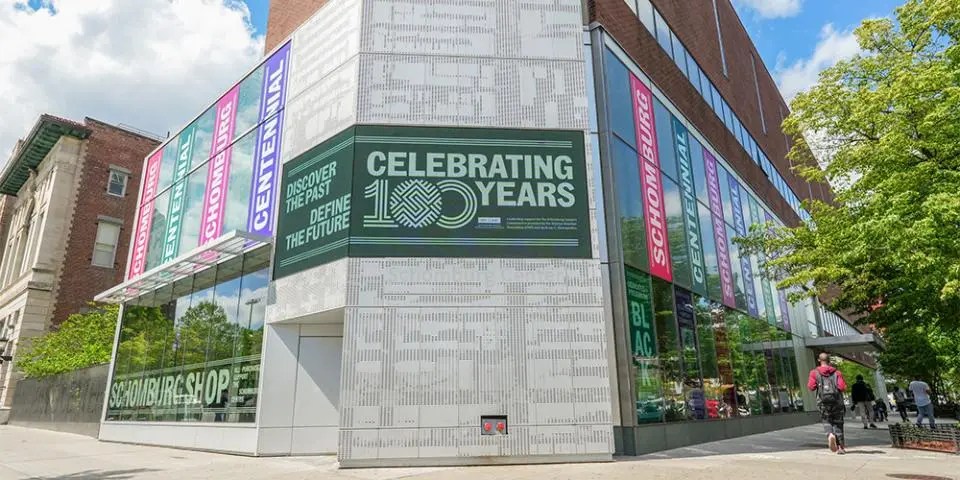
Schomburg sold his collection of art, literature, and historical artifacts to the Harlem branch of the New York Public Library. That collection would become the basis of what is now the Schomburg Center for Research in Black Culture, which currently is celebrating its 100th anniversary.
That center is where I discovered the writings of my father, which inspired this website. And I was jazzed when I read that one of the Qur’ans featured in Mamdani’s swearing-in had been loaned to him by the Schomburg.
“The Schomburg Center is honored to have an object from its holdings included in this historic moment for New York City,” Joy Bivins, the Center’s director, said in a Dec. 31 press release.
“As we celebrate 100 years of collecting, preserving, and sharing the riches of global Black culture at this singular institution, we are delighted that Mayor-elect Mamdani selected a Qur’an from our namesake’s personal collection to mark the beginning of his administration.”
“This marks a significant moment in our city’s history, and we are deeply honored that Mayor Mamdani chose to take the oath of office using one of the Library’s Qur’ans,” added Anthony W. Marx, president and CEO of The New York Public Library. “This specific Qur’an, which Arturo Schomburg preserved for the knowledge and enjoyment of all New Yorkers, symbolizes a greater story of inclusion, representation, and civic-mindedness.”
At a time when the current occupant of the White House has launched a campaign of historical erasure, it is encouraging to see the Schomburg in the spotlight.
Yesterday, I wrote about a thirty-something New Yorker with little political experience who ran for a seat on the New York State Assembly. Her name was Eunice Hunton Carter, and her 1934 campaign was ultimately unsuccessful.
Today, Zohran Mamdani, already a member of the New York State Assembly from Queens, is New York City’s Mayor Elect. And in addition to his success, Democratic candidates across the country won decisive victories.
In the governors’ races in New Jersey and Virginia, both women candidates, Mikie Sherrill and Abigail Spanberger were more moderate than Mamdani, who unapologetically identifies as a democratic socialist. He has promised to make New York more affordable by freezing the rent on rent-stabilized apartments, by providing universal child care, and by making buses free.
In his book, Invisible, Stephen L. Carter’s biography of his grandmother Eunice, he describes her 1934 election platform as “long on promises and short on the practical means for attaining them.” She pledged to ease qualifications for old-age pensions in the days before Social Security existed. She wanted to lower electric, gas and telephone rates and improve unemployment insurance.
“Familiar goals all,” Stephen Carter wrote, “yet Eunice was able to make people believe she could pull them off.”
I lived in New York for a brief six years, and left the city decades ago, but it continues to have a hold on me, as I believe it had on my father, even after he made Pittsburgh his home.
So, I, like Eunice’s supporters, was electrified by Mamdani’s campaign even from 3,000 miles away. And I am hopeful that as Mayor he has the practical skills and the talented administration necessary to attain at least some of his goals.
The swath of Tuesday’s election outcomes suggests that the Democratic Party is not one-size-fits-all and that it should continue to embrace a wide tent. May the momentum of these victories and the coalitions that made them possible help smooth even the rockiest political roads ahead.
Looking for something fresh to write about on Election Day, I searched my father’s columns for wisdom from the past. A footnote in a column published in the New York Age on November 3, 1934, implored readers to elect “Mrs. Eunice Carter” to the New York State Assembly. The name had a familiar ring. Five […]
My barber called Kamala Harris a “ho.” The shop I go to is not the stuff of Black culture lore. It’s not a boisterous place. It doesn’t reek with toxic masculinity. It’s a nice, quiet, family friendly kind of enterprise. The worst I have been subjected to in the nearly three years I’ve gone there […]
On Saturday, Feb. 17, I will be among several individuals inducted into the 2024 Class of the Black Legends of Silicon Valley. This is quite an honor. Previous recipients in the News and Documentary category in which I am being honored include journalists with stellar credentials. Loretta Green, an award-winning reporter for several local papers […]