

In the months leading up to a tour titled “On the Road to Freedom: Understanding the Civil Rights Movement,” I was on the fence. Despite the waning Covid infection numbers, the easing of mask mandates and the fact that my fellow travelers would all be fully vaccinated and boostered, I wasn’t sure. After all, we were traveling by bus through Alabama, Arkansas, Mississippi and Tennessee, states with lower vaccination rates than California. I’d managed to dodge the Covid bullet for two years. Was I ready to let my guard down?
I like to think of myself as an intrepid traveler, but the thought of navigating airports and ground transportation, all in an N 95 mask, gave me pause. Still, I was intrigued by the idea of a trip to U.S. historical sites I’d only read about.
In the end, I decided to go for it. After all, I told myself, you’re not getting any younger.
What occurred to me once the trip began, was that the people we would meet, foot soldiers who had been on the front lines of the movement, weren’t getting any younger either. As I note in my op-ed, “What Happens to Rage Repressed?” published in The Boston Globe on April 1, I got to meet Elizabeth Eckford, one of the Little Rock Nine. But she was just one of the treasures who shared their time and wisdom with us.

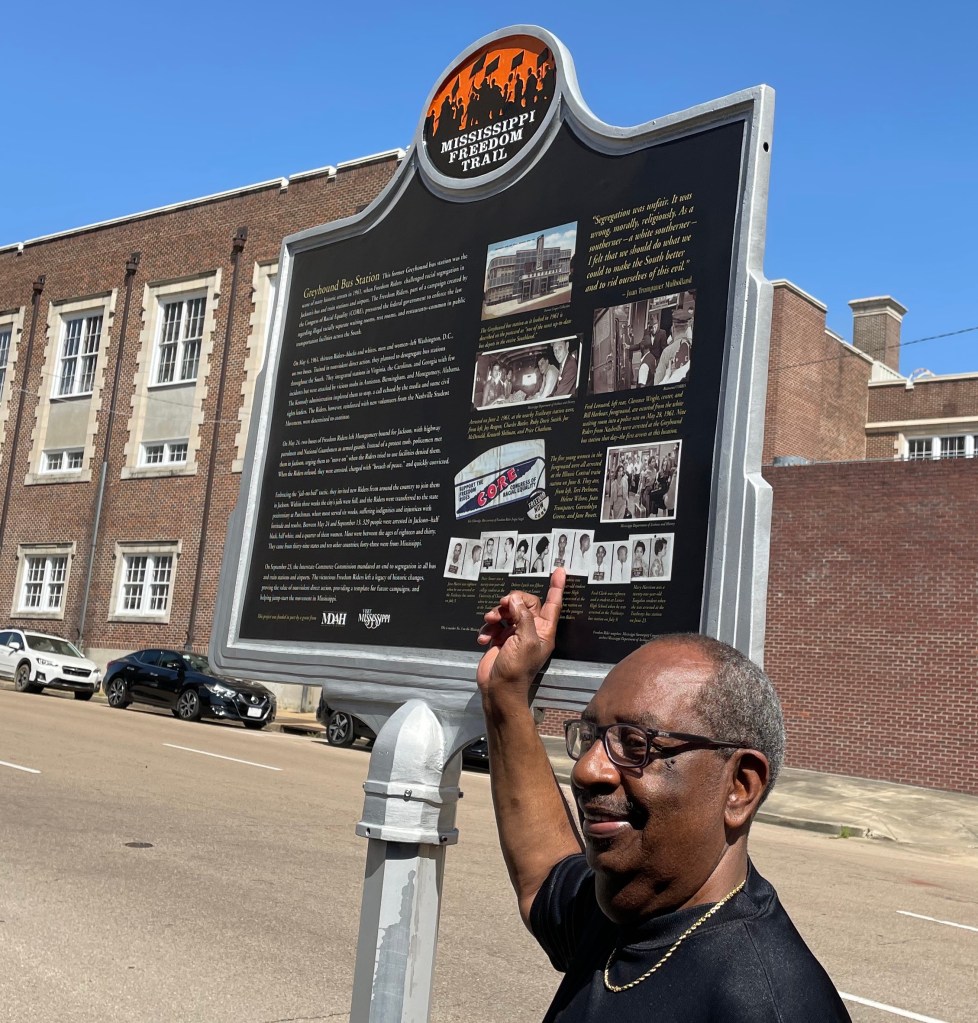
There was Hezekiah Watkins, who describes himself as Mississippi’s youngest Freedom Rider. His first arrest and incarceration at 13 years old is a harrowing tale.
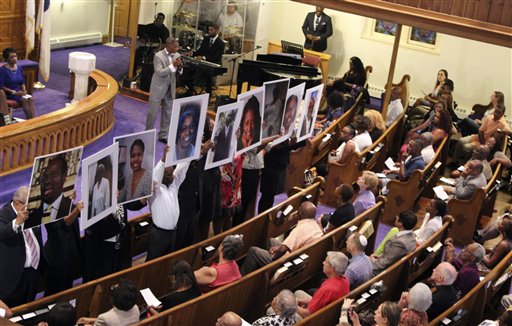
We spent several hours with Rev. Carolyn McKinstry as she recounted how at 15 years old she was handling Sunday School paperwork at 16th Street Baptist Church in Birmingham, Alabama, when the Ku Klux Klan set off the blast that killed four of her friends, injured others and terrorized the Black community.

We visited the Montgomery, Alabama, home of Dr. Valda Harris Montgomery, which was down the block from the parsonage of Dexter Avenue Baptist Church, where Rev. Dr. Martin Luther King, Jr. served as pastor from 1954 to 1960. Dr. Harris told heartwarming stories of the two families socializing in each other’s homes and how her own home was a sanctuary and a strategizing space for civil rights activists.
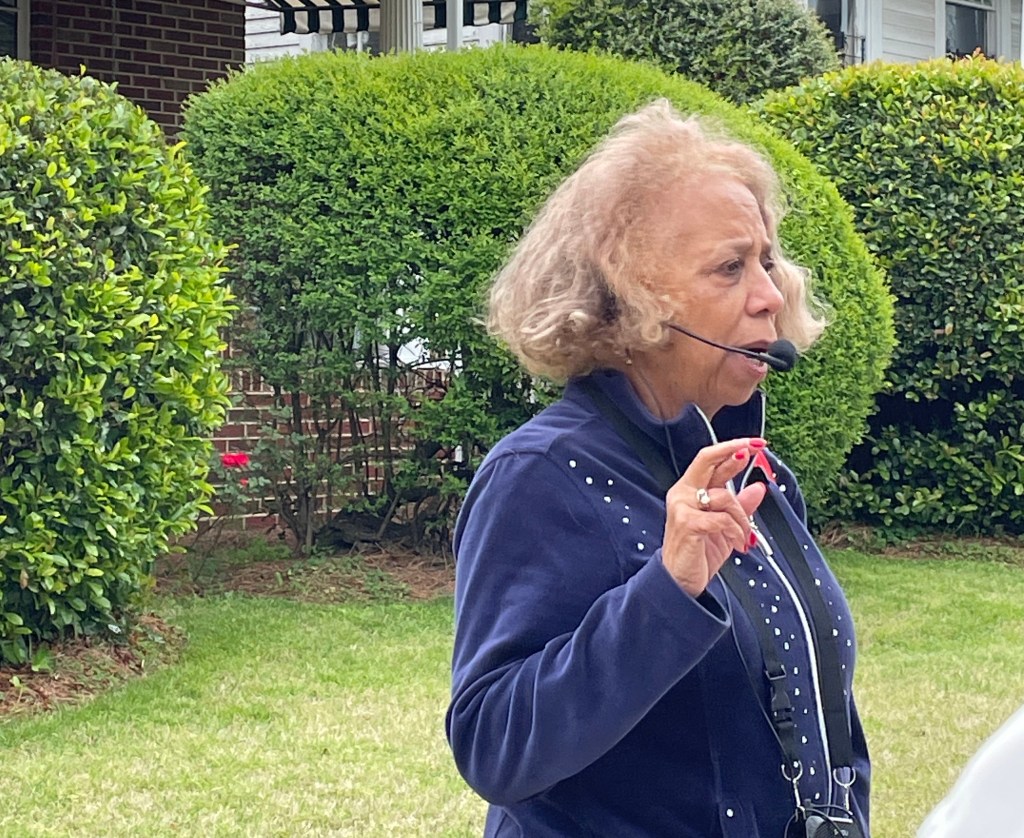
The tour, sponsored by the Commonwealth Club of California, included time to take in good music and enjoy delicious food. The state-of-the-art interactive museums that document the history of the African diaspora alone were worth the trip. Still, it was the living monuments to this history that I will remember the most.





 My Father's Posts
